20 Jan 2026
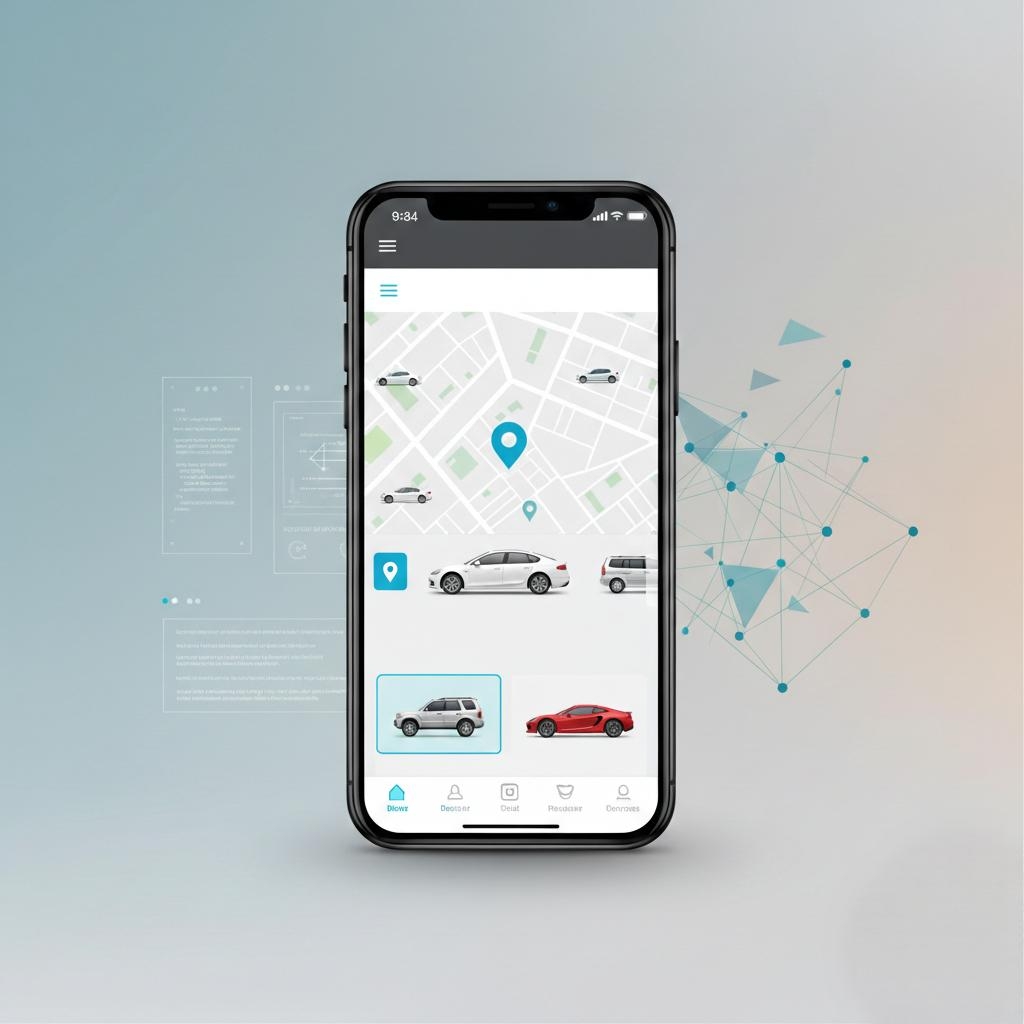
The car hire industry is at a pivotal point as technology reshapes customer expectations and operational standards. Mobile applications designed specifically for car rental services have become vital tools for companies looking to modernise their offerings and stay ahead of the competition. Car hire app development is not simply about digital presence; it is about creating a comprehensive ecosystem that enhances convenience, improves efficiency, and offers personalised experiences to users. This transformation impacts how customers book vehicles, interact with service providers, and manage their rentals, setting a new standard in the vehicle rental market.
At its core, car hire app development focuses on building intuitive platforms where users can explore available vehicles, compare options, make reservations, and handle payments securely from their mobile devices. As smartphones dominate everyday life, the convenience of booking a car through an app appeals to a broad range of customers—from business travellers requiring quick bookings to holidaymakers seeking affordable rental solutions. The shift to mobile apps also supports contactless interactions, an increasingly important factor in today's health-conscious environment.
Beyond convenience, car hire apps offer businesses the ability to streamline internal processes. Real-time fleet management, automated booking confirmations, and digital payment processing reduce manual workloads and minimise errors. Moreover, apps enable companies to gather valuable data on customer preferences, popular vehicle types, and rental patterns. This information can be leveraged to refine services, design targeted marketing campaigns, and improve fleet allocation strategies. Understanding the multifaceted benefits of car hire app development highlights why this technology is becoming indispensable for vehicle rental companies globally.
Developing an effective car hire app begins with a clear understanding of what users expect and what the business aims to achieve. The app should serve as a seamless bridge between customers and rental services, providing an easy-to-use interface that covers all necessary functionalities without overwhelming users. Essential features include vehicle search and filtering options, detailed car descriptions, flexible booking schedules, multiple payment methods, and customer support access. Ensuring these elements work harmoniously forms the foundation of a successful car hire application.
A significant part of app development lies in integrating backend systems that support the frontend experience. This includes synchronising the app with the company’s existing fleet management software to reflect accurate vehicle availability and pricing in real-time. Without this integration, customers risk booking vehicles that are unavailable or encountering inconsistent rates, leading to frustration and loss of trust. Additionally, reliable payment gateway integration is crucial to facilitate smooth transactions. Providing multiple secure payment options not only enhances convenience but also broadens the potential customer base by catering to varied preferences.
The development process must also prioritise cross-platform compatibility to reach a wider audience. Designing apps that perform efficiently on both Android and iOS devices ensures maximum accessibility. This requires attention to device-specific guidelines, screen sizes, and operating system capabilities, delivering a consistent and satisfying user experience regardless of the platform. Moreover, the app should be optimised for speed and low data consumption, as these factors significantly impact user retention, especially in regions with limited internet connectivity.
Quality assurance and rigorous testing are indispensable throughout development. Testing the app across different devices, operating systems, and real-world scenarios helps identify bugs, performance issues, or usability flaws early on. Gathering feedback from test users allows developers to refine features and interface elements before launch, ensuring the app meets high standards of reliability and ease of use. Continuous post-launch updates and maintenance are equally important to adapt to emerging user needs and technological changes, maintaining the app’s relevance and competitiveness over time.
User experience plays a central role in determining the success of any car hire app. Customers demand quick, hassle-free booking processes with clear information and minimal steps to complete a reservation. Developers must focus on creating a clean and straightforward interface that guides users naturally from searching for vehicles to confirming their bookings. Every interaction should feel smooth, intuitive, and personalised to keep users engaged and encourage repeat usage.
Personalisation is a key aspect of enhancing user experience. By analysing previous bookings, preferred vehicle types, and user behaviour, apps can tailor recommendations to suit individual needs. For example, a user who frequently rents economy cars may be shown budget-friendly options upfront, while a business traveller might receive suggestions for premium or luxury vehicles. Such personalised touches not only improve satisfaction but also build loyalty by demonstrating that the app understands and anticipates user preferences.
Another important element is transparency. Providing detailed descriptions, high-quality images, and clear pricing information reduces uncertainty and builds trust. Users should be able to easily compare vehicles, understand rental terms, and access information about insurance or additional fees. Including customer reviews and ratings within the app adds a layer of social proof, helping potential renters make informed decisions based on real experiences shared by others.
The convenience of managing bookings directly through the app is highly valued. Features such as modifying reservations, extending rental periods, or cancelling bookings without hassle significantly enhance user satisfaction. Push notifications can be used to remind customers of upcoming rentals, payment confirmations, or special offers, keeping users engaged and informed. Ensuring the app remains responsive and fast, even during peak usage times, is essential to prevent frustration and abandoned bookings.
Accessibility considerations also play a vital role in user experience. Apps should be designed to accommodate users with varying levels of digital literacy and differing abilities. Clear fonts, high contrast, voice command options, and simple language contribute to making the app inclusive and easy to navigate for all potential customers. Supporting multiple languages can also broaden the app’s appeal in international markets.
Modern car hire apps benefit significantly from the integration of advanced technologies such as artificial intelligence, machine learning, and location-based services. These technologies help deliver smarter, more efficient, and user-centric solutions that elevate the overall rental experience.
Artificial intelligence powers many features that personalise the user journey. Machine learning algorithms analyse large datasets to predict user preferences and suggest suitable vehicles or rental packages. Dynamic pricing models adjust rates based on demand fluctuations, seasonal trends, and competitor pricing, ensuring both customers and rental companies receive fair value. AI-driven chatbots offer instant customer support, answering frequently asked questions, assisting with bookings, and providing troubleshooting without the need for human intervention. This 24/7 availability improves customer satisfaction and reduces operational costs.
Location-based services enhance convenience by offering context-aware features. Using GPS data, car hire apps can display available vehicles near the user’s current location, making pick-up options easier to find and reducing travel time. Turn-by-turn navigation integrated within the app assists customers in reaching pick-up points or returning vehicles on time. Geofencing can trigger alerts or special offers when users enter specific areas, adding marketing value and improving user engagement.
The Internet of Things (IoT) is also becoming increasingly relevant in car hire app development. Connected vehicles equipped with sensors can communicate directly with the app to provide real-time updates on vehicle status, fuel levels, or maintenance needs. This technology enables remote unlocking and locking of cars, enhancing contactless rental experiences especially important in a post-pandemic world. It also supports improved fleet management by alerting companies to potential issues before they impact customer service.
Cloud computing plays a crucial role in supporting the scalability and performance of car hire apps. Hosting data and services on cloud platforms ensures high availability, rapid load times, and flexibility to accommodate growing user bases or expanding geographic reach. Cloud solutions facilitate smooth updates and allow integration with third-party services such as payment processors, mapping providers, and customer relationship management systems.
Security is paramount when developing car hire applications due to the sensitive nature of user data involved. Customers provide personal identification, payment information, and sometimes driving licence details, all of which must be safeguarded against breaches or misuse. Ensuring robust security measures within the app not only protects users but also helps companies comply with legal requirements and maintain their reputation.
Encryption technologies such as SSL (Secure Socket Layer) secure data transmissions between the app and backend servers. This prevents interception or tampering during payment processing and information exchange. Implementing two-factor authentication (2FA) adds an extra layer of protection by requiring users to verify their identity through multiple methods before accessing sensitive functions. Regular security audits and penetration testing identify vulnerabilities that developers can address proactively.
Compliance with data protection regulations is essential. Laws such as the UK’s Data Protection Act and the EU’s General Data Protection Regulation (GDPR) impose strict rules on how personal data must be handled, stored, and processed. Car hire apps must provide clear privacy policies, obtain explicit consent for data usage, and allow users to access or delete their information upon request. Failure to comply can result in severe penalties and damage to brand trust.
Regulatory compliance extends beyond data protection. Car hire companies must ensure their apps respect local transportation laws, insurance requirements, and driver eligibility criteria. Features that verify driver licences, age restrictions, and insurance coverage through automated checks help prevent illegal rentals and reduce liability risks. The app should clearly communicate rental terms, including policies on fuel usage, mileage limits, and vehicle condition, to avoid disputes.
User education within the app is also important for security. Informing customers about safe practices, warning against fraudulent activities, and providing easy access to support channels contribute to a safer rental environment. Promptly addressing reported issues and maintaining transparent communication helps build a trustworthy relationship with users.
Beyond improving the customer journey, developing a dedicated car hire app delivers significant benefits to businesses themselves. It offers a direct channel to engage with customers, reduce operational costs, and gather insights that inform strategic decisions.
One of the primary advantages is operational efficiency. Automating booking management, payments, and fleet tracking reduces manual workload and the likelihood of errors. Staff can focus more on customer service and less on administrative tasks. Real-time updates and automated notifications keep both customers and employees informed, minimising misunderstandings or missed deadlines.
Data collection through the app provides businesses with rich analytics on user behaviour, peak rental periods, popular vehicles, and pricing trends. These insights allow for more precise demand forecasting and inventory management, ensuring the right vehicles are available when and where needed. Marketing efforts can be optimised by targeting promotions to segments most likely to respond, improving conversion rates and return on investment.
Customer retention improves as apps encourage repeat business through loyalty programmes, personalised offers, and easy access to support. Satisfied customers are more likely to recommend the service, creating valuable word-of-mouth promotion. The app also expands market reach by attracting tech-savvy users who prefer mobile interactions over traditional methods.
From a competitive perspective, having a sophisticated car hire app signals professionalism and commitment to innovation. It differentiates the company in a crowded market and appeals to customers seeking convenience and modern solutions. Furthermore, apps can facilitate partnerships with other service providers such as hotels or travel agencies, creating bundled offers and enhancing the overall customer experience.
The flexibility offered by app development also supports business growth. Whether expanding to new locations, introducing new vehicle categories, or implementing emerging technologies, apps can adapt quickly through updates without requiring major infrastructure changes. This agility is essential in a dynamic market influenced by shifting consumer preferences and technological advancements.
The landscape of car hire app development is continually evolving, shaped by technological innovation, changing consumer behaviour, and industry challenges. Looking ahead, several trends are set to influence how these applications are designed and used.
Connected and autonomous vehicles will increasingly integrate with car hire apps, enabling more automated and personalised rental experiences. For example, users might remotely select vehicle settings such as seat position or climate control before arriving. Driverless cars could be summoned through the app, providing unprecedented convenience and opening new business models centred on mobility as a service.
Sustainability will become a stronger focus within car hire apps. Features promoting electric or hybrid vehicles, carbon footprint tracking, and incentives for eco-friendly choices will appeal to environmentally conscious consumers. Apps may also integrate with charging station networks to provide seamless electric vehicle rental and usage.
Augmented reality (AR) and virtual reality (VR) technologies have potential to enhance user interaction by allowing virtual tours of vehicles or augmented navigation during pick-up and drop-off. These immersive experiences could reduce uncertainty and improve customer confidence when selecting vehicles remotely.
Increased use of voice search and AI assistants means car hire apps will need to support natural language queries and voice commands. This aligns with broader trends in digital interaction, making the booking process even more accessible and convenient, especially for users who prefer hands-free operation.
Data privacy and cybersecurity will remain critical concerns, driving continuous innovation in protective measures and regulatory compliance. Trustworthy apps that prioritise transparency and user control over personal data will stand out in the marketplace.
Finally, the integration of multi-modal transport options may emerge within car hire apps. Users could plan journeys combining car rental with public transport, bike-sharing, or ride-hailing services through a single platform, offering greater flexibility and encouraging sustainable travel choices.
In conclusion, the development of car hire apps is a complex but rewarding endeavour that requires balancing user needs, technological capabilities, and business goals. Companies that invest thoughtfully in this area will position themselves well to thrive in a competitive, technology-driven market, delivering superior service and unlocking new growth opportunities.